

Teaching Food Technology in the UK
Food Technology is a subject within Design and Technology (D&T). It becomes a standalone course called Food Preparation and Nutrition at GCSE (Key Stage 4). It blends practical cooking skills with nutrition, food science, and safety knowledge.
Are you interested in teaching Food Technology in the UK? At Teach in, we can help you secure either a permanent role, fixed-term contract or guaranteed supply work in schools in London and across the UK. Below is some information to give you an insight into teaching your specialist subject within the British National Curriculum. The good news is that Australian, New Zealand and Canadian teachers have trained and teach in a very similar way to teachers in England, so the transition to working in a UK school is not too hard. We also make sure all the teachers we help into a role in the UK is assigned an in-school mentor and also a UK Consultant, both available to assist in getting started in a British school.
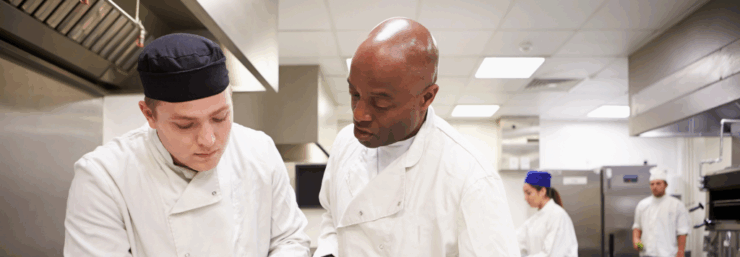
Aim: Students are introduced to basic food preparation skills, healthy eating, and food safety.
What You Teach:
- The Eatwell Guide and nutrition
- Kitchen hygiene and safety
- Practical cookery: knife skills, baking, boiling, frying, etc.
- Seasonal foods and sustainability
- Food provenance and multicultural cuisines
What It’s Like to Teach:
- A mix of theory and hands-on cooking
- You’ll manage practical sessions in a food room (kitchen classroom)
- Students usually work in pairs or small groups
- Assessment is teacher-led with no formal national exams
Key Stage 4 – GCSE (Ages 14–16)

Qualification:
GCSE Food Preparation and Nutrition (e.g., AQA or Eduqas)
What You Teach:
- Nutrition and Health – macronutrients, micronutrients, dietary needs
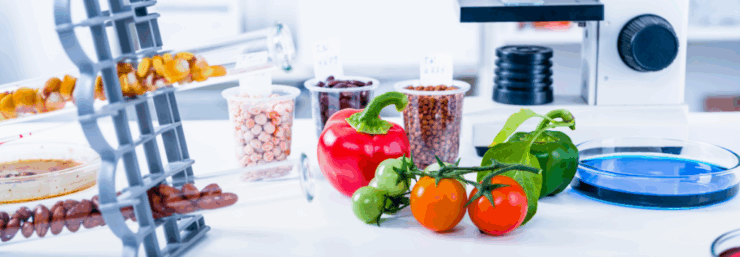
- Food Science – functional and chemical properties of ingredients
- Food Safety – bacterial growth, temperature control, contamination
- Food Choice – cultural, ethical, moral, and religious influences
- Food Provenance – origin, sustainability, and environmental impact
Assessment:
- 50% Written Exam (theory, 1 hr 45 min)
- 50% NEA (Non-Exam Assessment):
- Task 1: Food Science Investigation (10%)
- Task 2: Practical Assessment (40%) — plan, prepare, and cook a 3-dish meal
What It’s Like to Teach:
- Structured lessons combining theory and practicals
- Requires careful planning for ingredients, allergies, and timings
- Practical assessments must be well-documented with photos and evaluations
- You’ll support students in developing recipes, adapting ingredients, and applying nutrition theory
Key Stage 5 (Ages 16–18)
- There is no national A-Level in Food Technology, but some schools offer:
- Level 3 BTEC in Hospitality or Food Science
- AQA Level 3 Certificate in Food Science and Nutrition (WJEC)
- These are vocational or applied qualifications, often combining workplace knowledge, scientific food study, and advanced cooking.
What Overseas Teachers Should Know
Area What to Expect
Curriculum Style National curriculum gives guidance; schools design detailed schemes of work
Teaching Spaces You’ll likely teach in a specialist food room with ovens, hobs, equipment
Student Engagement Students usually enjoy hands-on work; behaviour management is key in practicals
Health & Safety High priority – you’ll need to understand UK food hygiene and safety standards
Documentation Strong focus on planning, evidence, and marking practical work
Summary Table
Key Stage Focus Areas Assessment What It’s Like to Teach
KS3 Healthy eating, No national exams Mix of theory and practical
KS4 Nutrition, science, food choice, provenance 50% exam, 50% NEA (practical tasks) Structured, documentation-heavy, hands-on
KS5 Optional vocational courses (e.g. Food Science) Varies: coursework + exams More advanced food science and planning
If you are a Design Tech or Food technology specialist, we would love to talk with you about your UK teaching options. Click here to get started.